
In Freelo, you can send tracked hours and amounts directly to iDoklad and issue an invoice – without manually re-entering data. Once you set up the connection via API keys, only a few clicks stand between your time reports and a finished invoice. In this article, you will find a step-by-step setup guide and tips on when the integration is most useful.
- Go to Reports > Invoice in Freelo. Check the reports you want to invoice and proceed to the next step.
- In the second step, adjust what you want on the invoice. You can add and edit line items and directly influence the invoiced amount. TIP: This is the perfect place to add a client markup, for example.
- Click Continue to invoice items to move to the next page, where you will send the data to iDoklad.
- Click Invoice via app next to a line item and select iDoklad.
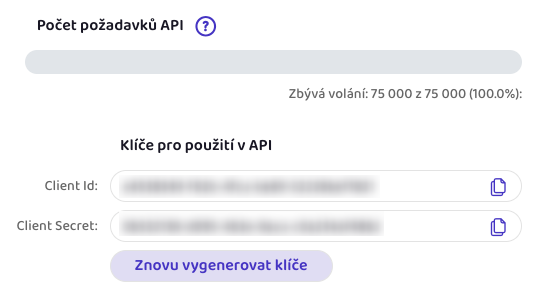
- A settings window will appear where you enter your Client ID and Client Secret. Generate these in the API Settings section at this page in iDoklad. If you generate new codes, make sure to save them.

Where to find your iDoklad Client ID and Client Secret?
Generate these credentials in the API Settings section at this page in iDoklad. If you generate new codes, make sure to save them.
Advance Invoices
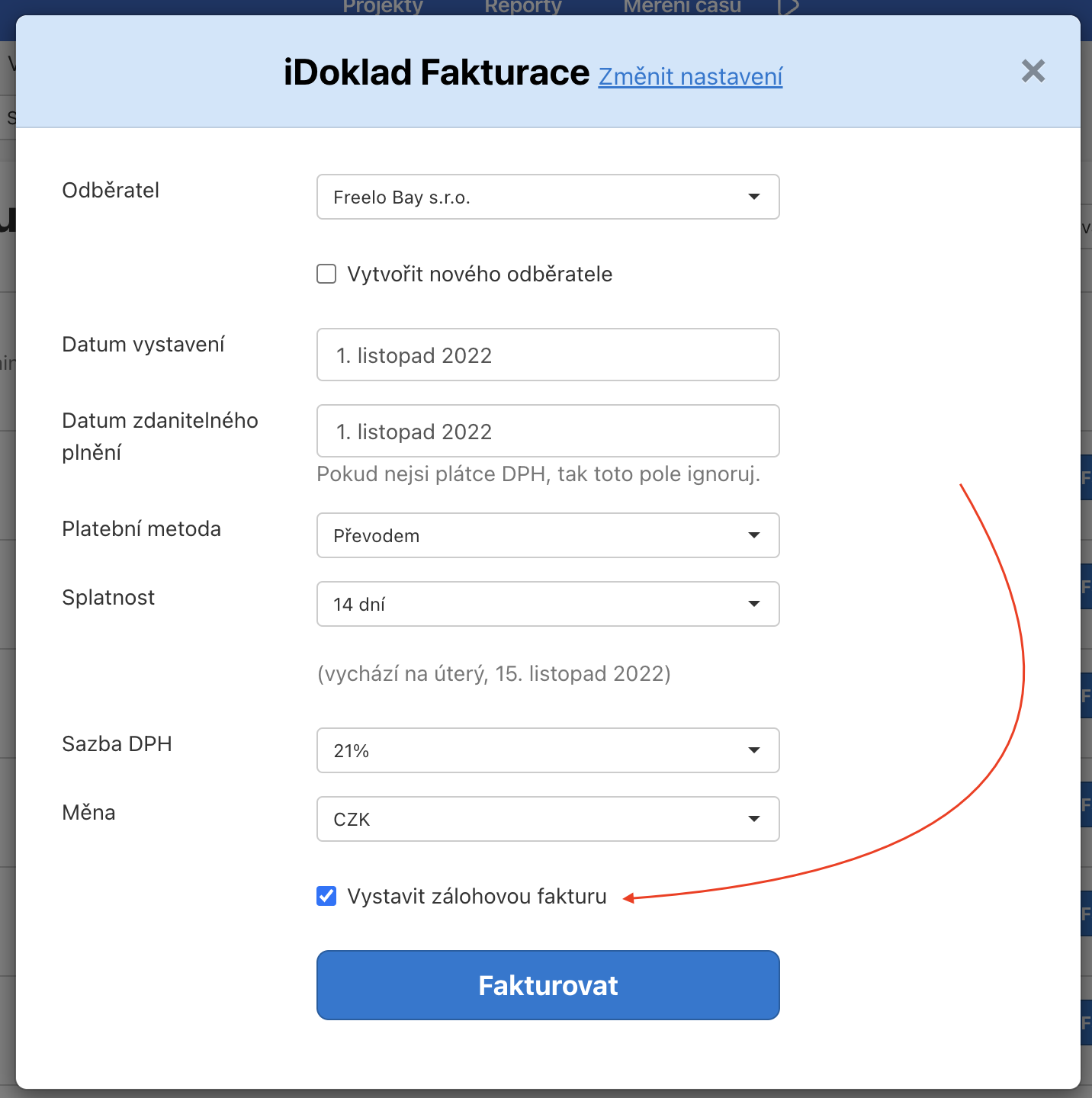
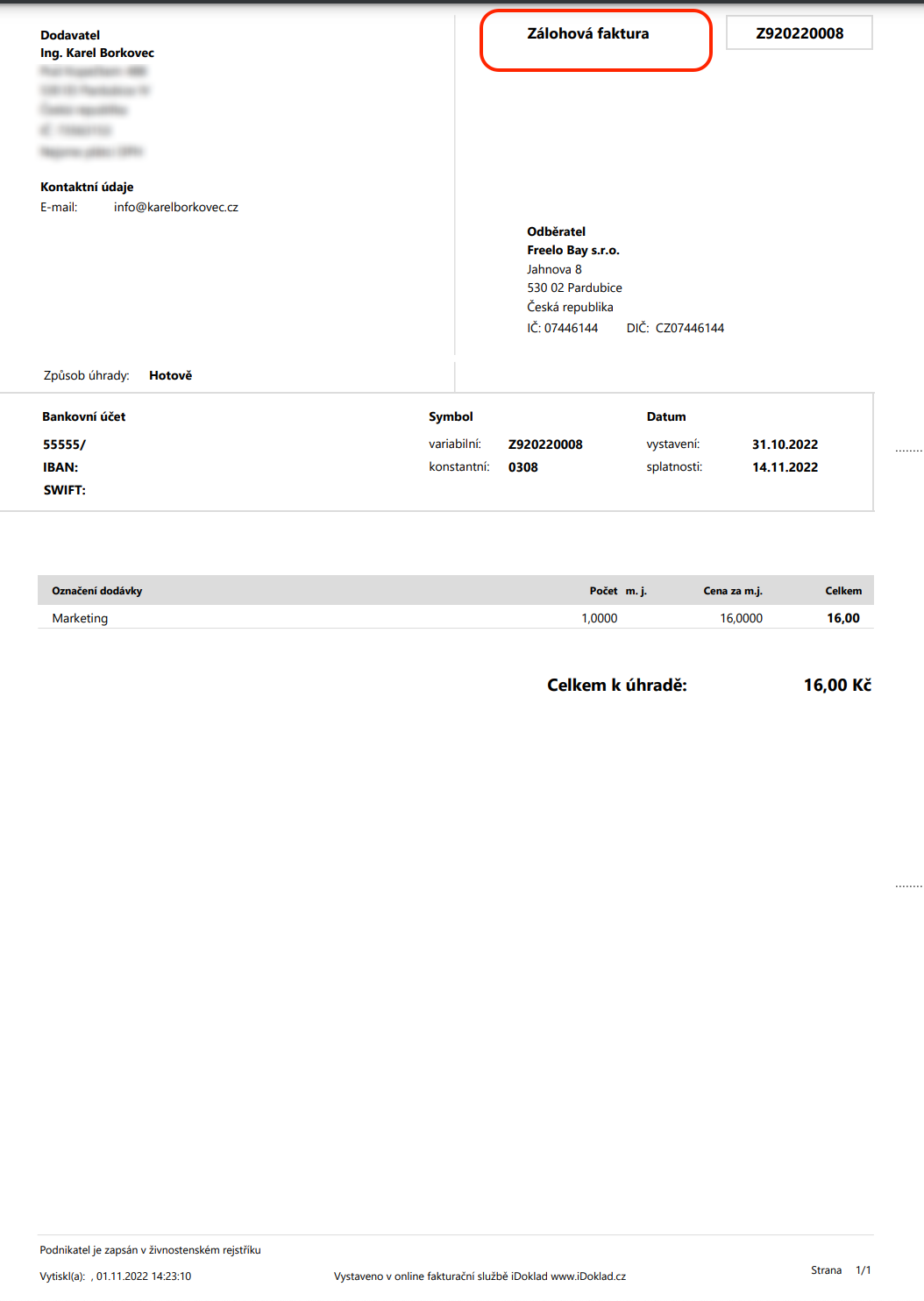
If you need to create an advance invoice, the Freelo–iDoklad integration handles that easily. When issuing an invoice (Invoice via app > iDoklad), simply check the Issue advance invoice option.
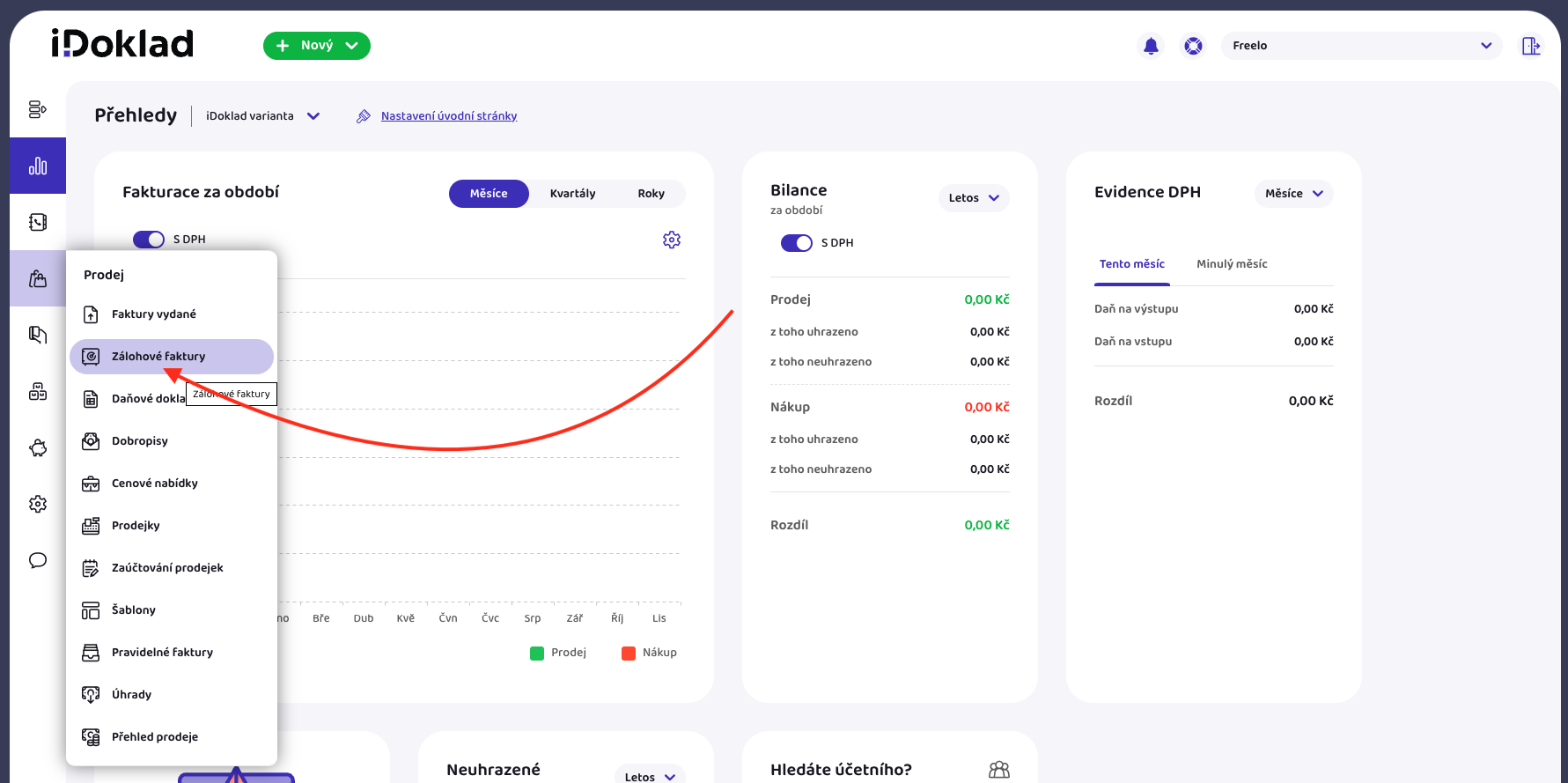
You will find advance invoices in iDoklad under Sales > Advance Invoices.
Practical Use
The Freelo–iDoklad integration is most useful when you regularly invoice for tracked time or fixed amounts:
- Freelancers and consultants – you track time reports in project tasks and want to transfer them to an invoice at the end of the billing period without re-entering data.
- Agencies and teams – you manage multiple projects at once and invoice each separately, sometimes with different hourly rates.
- Client markup – in the invoice editing step (step 2), you can add custom line items or increase the amount by a markup, without it appearing in the original reports.
- Advance invoice – need to collect a deposit before work begins? The integration handles that too.